


Rope Access vs Scaffolding: Which Is Better for Building Maintenance in Singapore?
🏢 Introduction: Choosing the Right Access Method
When it comes to building maintenance in Singapore—whether for façade inspection, cleaning, painting, or repairs—the biggest decision is often:
👉 Rope Access or Scaffolding?
Both methods are widely used, but the right choice depends on cost, safety, speed, and site conditions.
🔍 What Is Rope Access?

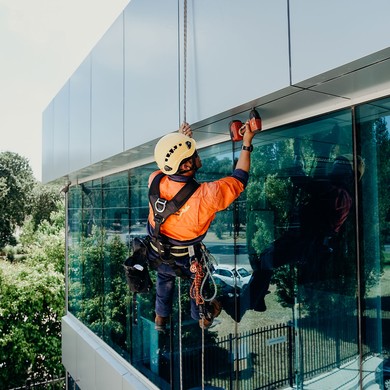
Rope access uses ropes, harnesses, and specialized equipment to allow technicians to safely access high or hard-to-reach areas.
Key Features:
- Operated by IRATA-certified technicians
- Minimal setup required
- Ideal for high-rise and complex structures
🏗️ What Is Scaffolding?


Scaffolding is a temporary structure built around a building to support workers and materials.
Key Features:
- Stable working platform
- Suitable for long-duration or heavy works
- Requires assembly and dismantling
⚖️ Rope Access vs Scaffolding: Key Comparison
| Factor | Rope Access | Scaffolding |
|---|---|---|
| Setup Time | Very fast (1–2 days) | Slow (several days to weeks) |
| Cost | Lower | Higher (labour + materials) |
| Flexibility | High | Limited |
| Access to Tight Areas | Excellent | Difficult |
| Safety | High (with trained team) | High (but depends on structure) |
| Project Duration | Short-term works | Long-term projects |
| Visual Impact | Minimal | Obstructive |
👉 In Singapore, rope access is increasingly preferred for high-rise maintenance and inspections.
💰 Cost Comparison in Singapore

Rope Access:
- Lower manpower requirements
- No material-heavy structures
- Faster completion
Scaffolding:
- High material and labour cost
- Longer setup and dismantling time
- Additional permits and logistics
👉 Rope access can save up to 30%–60% compared to scaffolding for many façade works.
⚠️ Safety Considerations
Both methods can be safe when properly executed.
Rope Access:
✔ IRATA-certified technicians
✔ Dual-rope safety systems
✔ Strict safety protocols
Scaffolding:
✔ Stable platform
✔ Suitable for heavy tools
⚠ Risk if poorly installed or maintained
👉 In Singapore, rope access has an excellent safety record when handled by trained professionals.
🏙️ Best Use Cases in Singapore
✅ Rope Access Is Best For:
- Façade inspection
- External cleaning
- Minor repairs and painting
- Waterproofing works
- High-rise buildings
✅ Scaffolding Is Best For:
- Major renovation works
- Heavy construction
- Long-term projects
- Areas requiring continuous access
🔧 Efficiency & Productivity


Rope access allows:
- Faster mobilization
- Less disruption to occupants
- Work to start almost immediately
Scaffolding:
- Requires time-consuming setup
- May block building access or views
👉 For operational buildings (offices, malls, hotels), rope access is often the preferred choice.
📋 Compliance & Regulations in Singapore
Both methods must comply with Singapore safety regulations and guidelines from the Ministry of Manpower.
Key requirements include:
- Work-at-height safety compliance
- Risk assessment and method statements
- Certified and trained personnel
📈 Which Is Better for You?
👉 Choose Rope Access if you want:
- Faster and cost-effective solution
- Minimal disruption
- Flexibility for high-rise work
👉 Choose Scaffolding if you need:
- Heavy-duty support
- Long-term access
- Major construction works
🚀 Conclusion: The Smarter Choice for Modern Singapore Buildings
In today’s fast-paced and high-rise environment, rope access is often the smarter, more efficient solution for building maintenance in Singapore.
However, scaffolding still plays an important role for large-scale and heavy-duty projects.
👉 The best approach is to consult experienced professionals to determine the most suitable method for your building.